What Paying Attention Taught Me About Everyday Photos
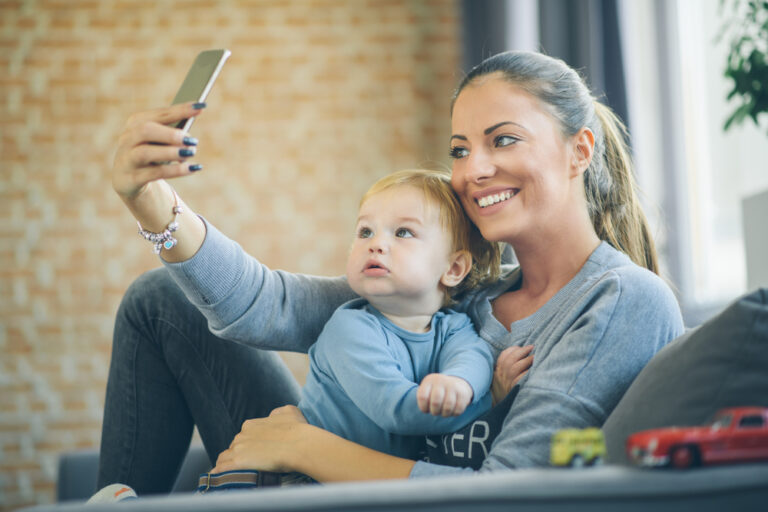
My name is Laura Holloway, and I am a stay at home mom, which still feels heavier than it sounds. People imagine quiet afternoons or slow mornings, but most days feel like they move without asking me first. Time bends around school drop-offs, snacks, naps, and the steady hum of things that need doing. By the end of the day, I am tired in a way that does not come from one big task, but from a hundred small ones stacking up quietly. When I look back, entire weeks blur together, and that scared me more than I wanted to admit.
I started taking pictures because I wanted proof that my days mattered. Not proof for social media or anyone else, just proof for myself. I wanted something to point to and say, see, this happened. You were here. At first, I photographed everything. Shoes by the door. Plates half eaten. The kids sprawled on the floor with toys everywhere. I snapped pictures while walking, while talking, while thinking about something else. My phone filled up fast, but when I scrolled back later, the images felt flat. They showed objects, not moments. They were busy, the same way my days were busy, and somehow that made the feeling worse.
There was one afternoon that stuck with me. It was nothing special. Rain tapping lightly against the windows, the kind that makes the house feel smaller. One child was coloring at the table, pressing too hard and snapping crayons in half. The other was building something that kept falling over. I took five pictures without looking, just holding my phone out and tapping the screen. When I looked later, all five shots were crooked, dim, and rushed. The moment itself had felt calm, almost tender, but the pictures looked anxious. That disconnect bothered me. I remember thinking, why do these not feel like what I remember?
That was when I started looking up how to take better pictures, not because I wanted better images in a technical sense, but because I wanted something that felt honest. I did not want every moment documented. I wanted the right moments noticed. I read bits of advice late at night, half distracted, but one idea kept coming back to me. Slow down. Wait. Choose. It sounded simple, almost annoying, but it stayed with me.
The next day, I tried something different. I left my phone on the counter most of the morning. That alone made me uneasy. I kept thinking I was missing something important. But then, during snack time, my youngest climbed into a chair backward, laughing at their own clumsiness. I felt the urge to grab my phone, but I waited. I watched first. The laugh. The way their foot dangled, searching for the rung. The sound of the chair scraping the floor. When I finally picked up the phone, my hands were steadier. I took one picture instead of six.
That picture was not perfect. The lighting was uneven. The background was cluttered. But when I looked at it later, I could feel the room again. I remembered the scrape of the chair, the laugh that came out too loud, the quiet satisfaction of not rushing. That surprised me. I had always assumed more pictures meant better memory. That day showed me the opposite might be true.
As the days went on, I started noticing how often I reached for my phone out of habit instead of intention. Waiting in line. Sitting in the car. Standing in the kitchen while something heated up. I was not really seeing anything when I took those photos. I was just reacting. When I slowed down, even slightly, the world felt different. The house sounded different. I noticed small things, like how the afternoon light hits the wall near the stairs, or how quiet the house gets right before everyone comes home.
I did not become calmer overnight. I still rushed plenty of times. I still missed moments. But learning to pause before pressing the shutter changed something subtle in me. I stopped trying to collect my days like receipts. I started paying attention instead. And that attention, I realized, was what I had been missing all along.
The change did not happen all at once, and it definitely did not feel thoughtful or planned. It started with frustration. I remember sitting on the couch late one night, phone glowing in the dark, scrolling through pictures I had taken that day. There were plenty of them. Too many, honestly. But none of them felt right. The kids looked stiff or half-blurred. Moments I remembered clearly looked thin and rushed on the screen. I kept thinking, I was right there, so why do these feel empty?
I opened a browser tab and started typing things I never thought I would care about. Camera basics. Phone photo tips. Why pictures look flat. I was not looking for a hobby. I was looking for answers. I clicked through a few sites that felt loud or overly polished, the kind that made me feel like I had already failed before I started. Then I landed on a page that felt different. It did not talk down to me or assume I wanted to become something else. It just explained things clearly, like someone who remembered what it felt like to be unsure.
That was when I found how to take better pictures, and I stayed there longer than I expected. I told myself I was just skimming, but I kept scrolling. It felt practical without being stiff. I recognized myself in the way things were explained. It was not about buying new gear or chasing perfection. It was about noticing what works and what does not, and making small choices that actually matter. I remember thinking, okay, this is something I can try.
The next morning, I tested what I had read without really announcing it to myself. We were late, as usual. Someone could not find their shoes. Someone else decided they hated the shirt they had been wearing happily five minutes earlier. Normally, I would snap a rushed picture and move on. This time, I hesitated. I paid attention to where the light was coming from. I shifted my angle slightly. I waited for the moment that felt honest instead of convenient. I took one picture and put my phone away.
Later that day, I looked at it again. The photo was not dramatic. It was a child sitting on the floor, one shoe on, one sock missing, looking mildly annoyed. But it felt real. I could tell exactly what was happening when I looked at it. I could hear the sigh they made. That surprised me more than anything. I did not expect such a small change to feel noticeable.
I kept experimenting in quiet ways. When we were at the park, I stopped standing where I always stood. I moved closer. I moved lower. I noticed how backgrounds mattered more than I thought. A messy fence could distract from a good moment. A clear patch of sky could make a simple jump feel bigger. These were not things I learned all at once. They showed up slowly, through trying and messing up and trying again.
There were days it worked and days it did not. Sometimes I forgot everything I had read and went right back to snapping out of habit. Other times, I surprised myself. I caught expressions I used to miss. I noticed how faces changed when people forgot they were being photographed. I stopped chasing posed smiles and started recognizing the moments just before and just after them.
What changed most was not the pictures themselves, but how I felt while taking them. I was no longer trying to prove that my day was meaningful. I was curious instead. Curious about what would happen if I tried a different angle. Curious about how light moved through the house at different times. Curious about what moments felt worth keeping. That curiosity made the process feel lighter, even when the day itself was heavy.
I still take too many photos sometimes. I still delete most of them. But now, when I find a good one, I know why it works. Not in a technical way I could lecture about, but in a felt way. I can look at it and remember what made me lift the phone in the first place. That has made all the difference.
As the weeks went on, something unexpected happened. I stopped thinking of taking pictures as a task I needed to complete and started treating it like part of the day itself. Not something separate or special. Just another way I interacted with what was already happening. That shift felt important, even though I did not fully understand it at first. I was not chasing better results anymore. I was responding to what caught my attention in the moment.
One afternoon stands out more than most. We were waiting in the car after school, the engine off, windows cracked open. Someone had dropped crumbs everywhere, and the car smelled faintly like apples and old paper. I noticed the way the light came through the windshield and hit the dashboard, soft and dusty. Normally, I would have ignored it. That day, I lifted my phone and took a single picture. It felt strange to photograph something so plain, but it also felt right.
Later, when I looked at that photo, I realized it told me more about that day than any smiling group shot ever had. It reminded me of waiting, of tired legs and loose shoelaces, of the low hum of cars passing by. That was when it clicked for me that learning how to take better pictures was less about chasing impressive moments and more about recognizing the quiet ones that actually stay with you.
I started trusting my instincts more. If something made me pause, even briefly, I paid attention to that feeling. Sometimes it led to a photo. Sometimes it did not. I stopped worrying about missing things and focused more on noticing them. That took pressure off in a way I did not expect. I was no longer trying to capture everything. I was choosing.
There were small technical habits that settled in naturally over time. I noticed when a cluttered background pulled my eye away from what mattered. I became aware of how shadows could either add depth or distract completely. These were not rules I followed strictly. They were more like nudges, gentle reminders that I could adjust something if I wanted to. Or leave it alone if it already felt right.
The kids noticed the change before I said anything about it. One day, one of them asked why I was standing so close instead of calling to them from across the room. Another time, someone laughed and said I was crouching like I was hiding. I realized then that I had become more physically present. Moving with the moment instead of hovering outside of it. That felt meaningful in a way I had not anticipated.
I still do not think of myself as someone who is particularly creative. I do not plan shots or chase ideas. What I do now is respond. I see something, feel something small shift inside me, and decide whether it is worth keeping. Sometimes I get it wrong. Sometimes the picture does not match the feeling at all. But the process feels honest, and that matters more to me than the outcome.
When I look back at older photos now, I can tell which ones were taken out of habit and which ones came from attention. The difference is subtle, but it is there. One feels rushed. The other feels lived in. And that distinction has quietly changed the way I move through my days, even when the camera stays in my pocket.
Not every day offered a moment that felt worth photographing, and I had to get comfortable with that. There were afternoons that passed in a haze of errands, noise, and mild irritation. On those days, I sometimes reached for my phone out of old habit, lifted it, then put it back down. That choice felt new to me. It was not about discipline. It was more like recognition. I knew when a picture would not add anything, and I let the moment pass without trying to pin it down.
Other days surprised me. A grocery store trip turned into something memorable when one of the kids insisted on pushing the cart and took the job far too seriously. Their hands gripped the handle like it mattered deeply. I noticed how focused they were, how proud. I did not rush it. I walked beside them, matched their pace, and waited until their face softened into a small, satisfied smile. That was the picture. It took less than a second, but the noticing took longer.
What I appreciated most about learning how to take better pictures was that it gave me permission to trust moments that felt small. I stopped waiting for birthdays, holidays, or big outings to justify pulling out my camera. A normal Tuesday could hold something just as meaningful if I stayed open to it. That idea eased a pressure I did not realize I had been carrying for years.
I also became more forgiving of mistakes. Blurry shots did not bother me as much. Bad framing stopped feeling like failure. Sometimes the mistake itself told a story. A crooked horizon reminded me that we were laughing and moving too much to stand still. A missed focus point captured the energy of a moment better than a perfect image ever could. Those photos felt honest, and honesty mattered more to me than polish.
There were practical changes too, though they slipped in quietly. I learned where the light fell best in our house depending on the time of day. I noticed that mornings were softer, evenings more dramatic. I started opening curtains instead of turning on overhead lights when I remembered. These were not rules I followed carefully. They were habits that formed because they made sense in real life.
Sometimes I caught myself explaining these things out loud to no one in particular, narrating my choices like I was thinking through a puzzle. That made me laugh. I had not set out to learn anything new. I just wanted my pictures to feel less empty. Yet here I was, thinking about space and light and timing without effort. It felt like growth that happened in the background while I was busy doing other things.
The biggest change, though, was how little I worried about results. I stopped checking every photo right after I took it. I stopped deleting things immediately. I trusted that I would know later which ones mattered. That trust made the whole process feel calmer and more personal. It belonged to me, not to an app or an audience.
On nights when I scroll back now, I do not look for perfection. I look for recognition. A feeling. A memory that lands without explanation. When I find those images, I know exactly why I took them, even if I could not have explained it at the time. That quiet understanding has become its own reward.
By this point, taking pictures had worked its way into my days without announcing itself. I did not plan for it or set aside time. It just happened alongside everything else. Some mornings I would notice how the kitchen looked before anyone else woke up. The counters still clean, the floor quiet, a faint line of light cutting across the table. Other mornings were chaos from the moment feet hit the floor. Both kinds of mornings felt worth noticing in different ways.
I realized that I was no longer chasing a certain kind of image. Early on, I thought good photos were supposed to look a certain way. Balanced. Clear. Calm. Now I could see value in pictures that felt a little messy or uneven. A half-closed door. A blur of movement. A face caught mid-thought. These images felt closer to real life, closer to how the day actually unfolded.
There was a moment at a birthday party that made this especially clear. The room was loud, crowded, and badly lit. I almost did not take any pictures at all because I assumed they would turn out poorly. Then I remembered something I had read while learning how to take better pictures. Not every situation needs perfect conditions. Sometimes you just work with what you have. I took a few shots without worrying about how they might look.
When I looked at those photos later, they surprised me. They were not clean or polished, but they carried energy. I could feel the noise again, the way people leaned close to hear each other, the sticky sweetness in the air. A technically better photo would not have captured that. Letting go of expectations made space for something more honest.
I also started thinking about what I did not want to photograph anymore. I stopped documenting every meal, every craft, every small milestone. That was a relief. It gave me permission to be present without feeling like I needed evidence. When I did choose to take a picture, it felt intentional, not automatic. That choice made the image feel earned.
Sometimes I would go days without taking a single photo, and that no longer bothered me. Other days, I would take several in a short span because something about the moment kept pulling at me. I learned to trust that rhythm instead of forcing consistency. The camera became a response, not a requirement.
Looking back, I can see how much my mindset shifted without me realizing it. I no longer measured success by how many pictures I took or how they looked on a screen. I measured it by how clearly I could remember the day when I saw them later. That felt like a better standard, one that actually fit my life.
These days, when I pick up my phone, it is with curiosity instead of urgency. I wonder what caught my eye and why. Sometimes the answer is obvious. Sometimes it surprises me. Either way, the act of noticing has become just as meaningful as the image itself.
Lately, I have noticed that my phone spends more time face down than it used to. Not because I am making a rule for myself, but because I no longer feel the same pull to check it constantly. When I do pick it up, it feels deliberate. I know why I am reaching for it. That small shift has changed how my days feel in ways I did not expect when I first started paying attention to my pictures.
There are still moments I miss. I accept that now. A laugh that happens too fast. A look that fades before I notice it. Those moments pass whether I am ready or not. I used to feel regret about that. Now it feels more like reality. Not everything needs to be captured to be real. Some things are meant to exist only once.
What I appreciate most about learning how to take better pictures is that it gave me a new way to interact with my own life without adding pressure. I did not become someone else. I did not turn into a person with endless patience or perfect timing. I am still the same mom juggling schedules, moods, and unfinished to-do lists. The difference is that I notice when something quietly matters, even if it does not look impressive from the outside.
I have photos now that would not make sense to anyone else. A corner of a room. A shadow on the floor. A child looking out a window instead of at me. These images mean something because of what was happening around them. They are reminders of pauses, transitions, and in-between moments that used to slip by unnoticed. When I see them later, I do not need an explanation. I remember.
Sometimes I think about the early days when I took pictures constantly, afraid of forgetting everything. I understand that version of myself more now. She was trying to hold onto time in the only way she knew how. Learning to choose moments instead of collecting them helped me relax into the days I was already living. That feels like progress, even if it is not something I can measure.
I still enjoy taking pictures. I enjoy it more now, actually. The act feels lighter. There is less urgency and more curiosity. I am not trying to build an archive of proof. I am responding to what feels alive in front of me. That makes the whole process feel personal again, the way it probably should have felt from the start.
If there is one thing this experience has given me, it is trust. Trust that I will notice what matters when it matters. Trust that a picture can hold a feeling without explaining it. Trust that my days do not need to be documented to be meaningful. They already are, whether I press the shutter or not.